
THANK YOU FOR SUBSCRIBING

× 
Education Technology Insights Weekly Brief
Be first to read the latest tech news, Industry Leader's Insights, and CIO interviews of medium and large enterprises exclusively from Education Technology Insights
A featured contribution from Leadership Perspectives: a curated forum reserved for leaders nominated by our subscribers and vetted by the Education Technology Insights Europe Advisory Board.

University of San Francisco
Building Career Pathways in Biotechnology
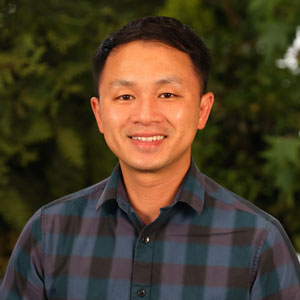
Luwei Xie
We are not here to sell a program. Rather than selling a program, we are selling a career trajectory. Nowadays, prospective students are increasingly savvy and looking for the Return on Investment (ROI) of an educational program. Getting a job is an ultimate goal.
Therefore, we are not just listing courses or creating a curriculum. We are using data and career outcomes to showcase the careers our alumni have had, or even before they graduate from the program. The Master's in Biotechnology, Professional Science Master (PSM), a STEM program at the University of San Francisco (USF) locates in the San Francisco Bay Area, California, where the birthplace of biotech and one of the biggest biotech hubs in the world. This program prepares students from a range of roles, including biomedical engineers, research scientists, business development managers, product managers, and regulatory affairs managers. Our professional science master's program is designed to bridge science and business. This resonates with students who want a lifelong career, not just a degree.
Biotechnology is a broad field; it's not just for someone sitting in a lab all day. It includes business development, sales and marketing, regulatory affairs, product management, intellectual property, project management, R&D, etc. This is why we offer MBA-level courses to our students to familiarize them with different aspects of the biotechnology industry.
Preparing Students for the World of Work
Change the World From Here" is the core tagline and guiding ethos of the University of San Francisco. We cannot attract the students if we cannot make things happen. This is why the strategies have to be holistic and efficient.
We integrate career preparation into the curriculum from day one. It's not an add-on; it's a must-have. Our program, like many successful ones, integrates professional skills development. This includes everything from resume building and interview skills to understanding career expectations and professionalism.
We focus on personal branding and networking. Rather than giving students a fish, we teach them how to fish. In addition to rigorous lab courses that teach techniques such as in CRISPR-Cas9, Polymerase Chain Reaction (PCR), Western Blotting, Recombinant DNA Technology, and Mammalian Cell Tissue Culture, we connect students with biotech employers in the San Francisco Bay Area to help them gain exposure to cutting-edge research. By offering advanced research methods in biotechnology, we give our students exposure to real-world, industry-driven research projects, making them more employable.
We partner with biotech companies, taking students on on-site visits and inviting them to campus for events. In this case, students have a lot more opportunities to network-to-work.
Strengthening Connections
One effective way is to connect students with biotech professionals. We have an exceptional advisory board that brings the pioneer market trends and employer expectations up to date. This brings together faculty and advisory board members to identify biotech employers' needs and ensure our curriculum aligns with what they actually look for. Our advisory board members are pretty engaged with our students by offering Q&A sessions, interacting with them during social events, and conducting mock interviews.
“We cannot attract the students if we cannot make things happen. This is why the strategies have to be holistic and efficient.”
We also strengthen students' experience by taking them on site visits and having them speak with large biotech corporations and startup entrepreneurs. This gives students firsthand experience of how the biotech industry runs. Additionally, we invite biotech professionals to the classroom to interact with students by giving lectures and offering advice.
With over 14 years in the market, we have over 420 alumni across the country and around the world. Our alumni return for our events and bring us referrals and job opportunities for current students. Most Bay Area employers are familiar with our biotech master's program, which is why we also receive firsthand hiring information, allowing our students to submit job applications directly to the decision-makers. Students receive the opportunities to start working at biotech companies while in the program.
Ensuring Career Readiness
Career readiness is not an appetizer; it is the main course. We align the program learning outcomes with biotech industry competencies. We ensure that students learn what the industry needs and more. That's why we expand the biotechnology science courses, including bioinformatics, with business courses covering US and Global regulatory affairs, bioinnovation management, legal-social-ethical biotech, and diagnostics and digital health. What is more, our students will have a one-week immersion opportunity to see what other parts of the world's biotech industry look like such as in Geneva, Basel, London, Puerto Rico, Washington DC, Hong Kong, Shenzhen, Shanghai and Beijing, etc. Our job is to cultivate precision and preparedness in everything we do.
The Sage Advice
I don't think student recruitment, education, or workforce outcomes are different pieces. They are all-in-one. Start reviewing the labor markets to identify pain points. Align the program's focus accordingly with the job market. Use the alumni as a powerful recruiting tool and showcase their career outcomes to attract new students. Bring them back to the alumni panel to share their experience. Their live experience is so compelling.
Last but not least, be proactive and flexible. The biotech industry is changing every single day. The institutions that will succeed are the ones that are willing to adapt the curriculum, build new partnerships, and constantly ask, "How can we help our students 'Change the World From Here'.”
The articles from these contributors are based on their personal expertise and viewpoints, and do not necessarily reflect the opinions of their employers or affiliated organizations.
